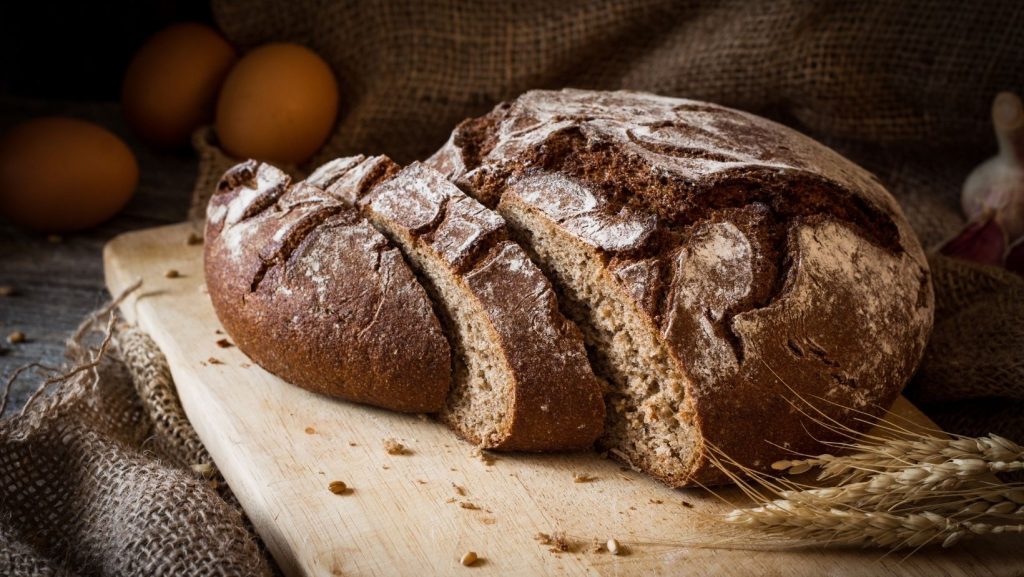
It’s said to be the staff of life, so making and eating good bread is of huge importance when it comes to dining well. It’s why we give all our diners their own freshly-baked loaf to enjoy with their meals!
As we get into cooking up autumn stews, casseroles, and soups, many of us are rediscovering the delights of finding the right bread to accompany our dishes.
Did you know…?
- In the UK we eat the equivalent of more than nine million large loaves of bread every single day.
- Half of that comes from eating sandwiches.
- There are more than 200 different kinds of bread made and sold in Britain.
- 85% of the flour used to make bread in the UK is produced from home-grown wheat.
- Bread can give us more than 10% of an adult’s daily intake of protein, thiamine, niacin, folate, iron, zinc, copper and magnesium.
- It can also account for 20% of our fibre and calcium intake and more than 25% of our manganese intake.
Some of the breads you could try baking this autumn:
Dutch oven breads – A no-knead option that’s great for beginners. You can even use all purpose flour to make it. Dutch ovens make a soft and fluffy bread with a cracking crust. Add some ice cubes under the baking paper at the bottom of your Dutch oven to help create that amazing crust as they evaporate.
Pairing: Venison stew; homemade beans on toast; cassoulet; pumpkin soup.
Sourdough – This tangy, crusty bread has a natural leavening agent made from a fermented mix of flour and water which contains wild yeast and lactobacilli bacteria. The live culture ‘starter’ is used instead of commercial bakers’ yeast. Ideal with salads, in sandwiches, or as the basis for a rarebit.
Pairing: Mushroom stroganoff; seafood chowder; coq au vin.
Maslin bread – A traditional, rustic rye and wheat loaf or rye and barley. This type of bread was widely baked in households across the UK until the mid 20th century. Serve with hearty stews and casseroles, make it into toast and sandwiches.
Pairing: Pork sausage, cider, and apple casserole; butternut squash, black bean and smoked paprika stew; beef and red wine casserole.
Manchet – Also know as michette, this is French yeast-leavened wheat bread was historically made into a loaf that was small enough to be held in the hand. It became popular across England in the Middle Ages and morphed into the Bath bun or Sally Lunns. Savoury versions make ideal dinner rolls.
Pairing: Pea and ham soup; cawl; chicken soup.
Focaccia – A dimpled Italian bread made using strong white flour and olive oil, and topped with herbs like rosemary. Serve with extra virgin olive oil, balsamic vinegar and the antipasto of your choice!
Pairing: Minestrone soup; cacciucco (Tuscan seafood stew); ciambotta (a vegetable stew with aubergine, courgettes, peppers, potatoes, and olives).
Stottie cakes – A staple of the north east of England, this flat, round white bread loaf traditionally made with melted lard is often used to make hearty sandwiches or served in triangles as a side dish. Yorkshire has a similar bread called the scuffler.
Pairing: Pease pudding and ham; steak and Newcastle brown ale stew; hot pot.
Bannock bread – A traditional flatbread made in Scotland from unleavened barley or oatmeal dough. These days, Bannock bread usually contains baking powder or baking soda to made it lighter and airier. It’s cooked on a griddle or a Bannock stone made from sandstone and is often served during the autumn harvest or at Hogmanay. Enjoy with a hearty stew.
Pairing: Beef goulash; beetroot soup; cullen skink.
Barley bread – Made with flour from a traditional British crop, these flatbreads originated in the Iron Age. Perfect with soups and casseroles and ideal for those with a wheat intolerance.
Pairing: Curried cauliflower soup; lentil casserole; pumpkin chilli; chicken tagine with olives and preserved lemon.
Rowie – An Aberdeenshire bread roll with a high fat content which it’s said would give fishermen a quick energy boost when they took them out on fishing trips. It’s also said the fat content helps prevent them becoming stale. Rowies, also known as butteries, are typically made from flour, yeast, butter, lard, salt, and sugar. Toast and serve with jam, butter, or golden syrup, or enjoy them plain with a cup of tea.
Pairing: Leek and potato soup; sweetcorn chowder; butterbean and tomato stew.
Farl – The Ulster Fry has a key ingredient, a potato bread farl. It’s a piece from a round potato flatbread cooked in a frying pan or on a griddle then cut into quarters. There are also soda bread versions of the farl served across the six counties. Scotland’s version of this potato bread is the tattie scone.
Pairing: Irish stew with lamb, carrots, celery and onion; wild mushroom stew; Guinness beef stew with bacon, onion, and carrots.
National Loaf – A fortified wholemeal bread made from flour with added vitamins and calcium. It was widely made in Britain during the Second World War after being introduced by the Federation of Bakers. Try it out and use it for sandwiches, toast, and to serve with soups.
Pairing: Carrot and coriander soup; spicy parsnip soup; mulligatawny soup; rabbit stew.
Take a look at the seasonal dishes we create on our Dine page.