May’s here and our fields, hedgerows and woods are teeming with the delicious delights we can find when out foraging. We love finding culinary gems in the countryside and creating tempting dishes for our menus!
So, here’s our guide to some of the highlights you might see when out walking or sitting and enjoying the scenery:
Nettles
This plant has such a bad reputation because of its stingers, but it’s a fantastic ingredient packed with nutrients. At this time of year, there are tender new shoots and they can be harvested throughout May. Remember to wear gloves when picking them, though, because of those stingers. Cook the leaves and they lose their sting. They can be used in teas, soups, or as a substitute for spinach.
Wild garlic
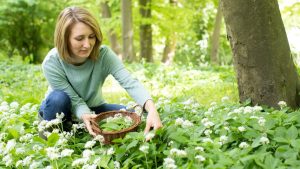
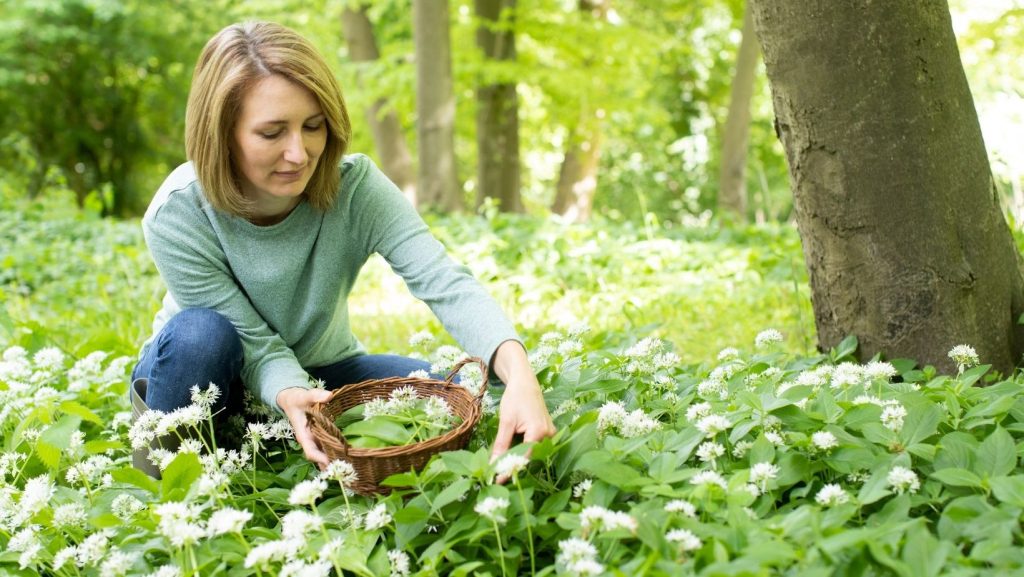
One of our favourite aromatic foraged ingredients! Look for it in woodland, with its crop of delicate white flowers and leaves that have a classic garlic odour when rolled between the finger and thumb. Use it in risottos, soups, salads, stews, and in place of basil in homemade pesto. Make wild garlic butter and use it in your own garlic bread – delicious!
Chickweed
This useful plant can be harvested from spring to late autumn, and you’ll spot it from its small, pointed leaves and star-like white flowers. The leaves are tender and are perfect for salads. Use a lemon and olive oil dressing to bring out the flavour. Or blend it into homemade pesto and use in a crust on chicken or fish.
Hawthorn
May wouldn’t be May without the lovely white flowers of the Hawthorn bushes! You’ll find them flowering in hedgerows and woodland until June. You’ll notice their almond smell. At this time of year, the leaves, flower buds and young flowers are all edible. Add them to salads with greens or grated root vegetables.
Oxeye daisy
You’ll see daisies blooming in grassy areas, verges, meadows, and hedgerows from now until September. Look for a plant that hasn’t flowered yet. You can eat the fresh leaves as they have a sweet taste when young but they turn bitter after the plant flowers. You can use as a herb or mix with dressings and salads. Find flower buds to pickle like capers or eat the flowers raw in salads. The fresh or dried leaves and flowers can also be used to make a tea.
Sorrel
This perennial herb with arrow-shaped leaves and tender stems looks a little like spinach and you can find it in meadows in spring and summer. The leaves and stem have an acidic, lemony flavour. Add sorrel to sauces, soups, sauces, pies, or quiches. You can also eat it fresh in green salads or potato salads. Blend the leaves with garlic, pine nuts, parmesan, and olive oil to make sorrel pesto. The leaves can also be brewed into a tea. Pick only fresh young leaves as older ones can taste bitter.
Elderflower
One of our favourite May ingredients – the star of Simon’s elderflower fritters with honeycomb ice cream! We adore the creamy blossoms found on the elder tree in hedgerows and woods. The flavour is floral and slightly sweet, so it’s also perfect for desserts, cakes, syrups and cordials.Harvest the flowers during dry weather for the best flavour.
Morel mushrooms
It’s peak season for these highly prized mushrooms found in woodland near ash, elm, and apple trees. The mushrooms have a distinctive honeycomb texture and a rich, earthy flavour, so they are great for risottos and creamy sauces. PLEASE NOTE: Be cautious when identifying them, as there are poisonous look-alike species. Take an experienced mushroom forager with you to be sure.
Dandelions
Harvest the young leaves of the dandelion in May for salads or to sautée as a spring vegetable side dish. They’re full of nutrients! You can also make delicious syrups or wines with them and even infuse them into oils. Make sure you pick dandelions from an area free from pesticides and contamination.
Wild strawberries
It’s the beginning of the wild strawberry season. We love the sweet and aromatic taste of these tiny fruits found in meadows, woodland clearings and hedgerows. Use them in desserts, in jams and preserves, or as delightful additions to spring and summer cocktails.
TOP TIP:
Go foraging with someone experienced who can show you the ropes, and show you which plants to avoid of which might be confused with those that are non-edible. This is especially important when picking mushrooms. You could also buy a plant identifier book or get a plant identifier app. AND REMEMBER: If in doubt, don’t pick it!
Take a look at our dine page to see sample dishes we create from seasonal and foraged ingredients.